
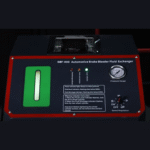
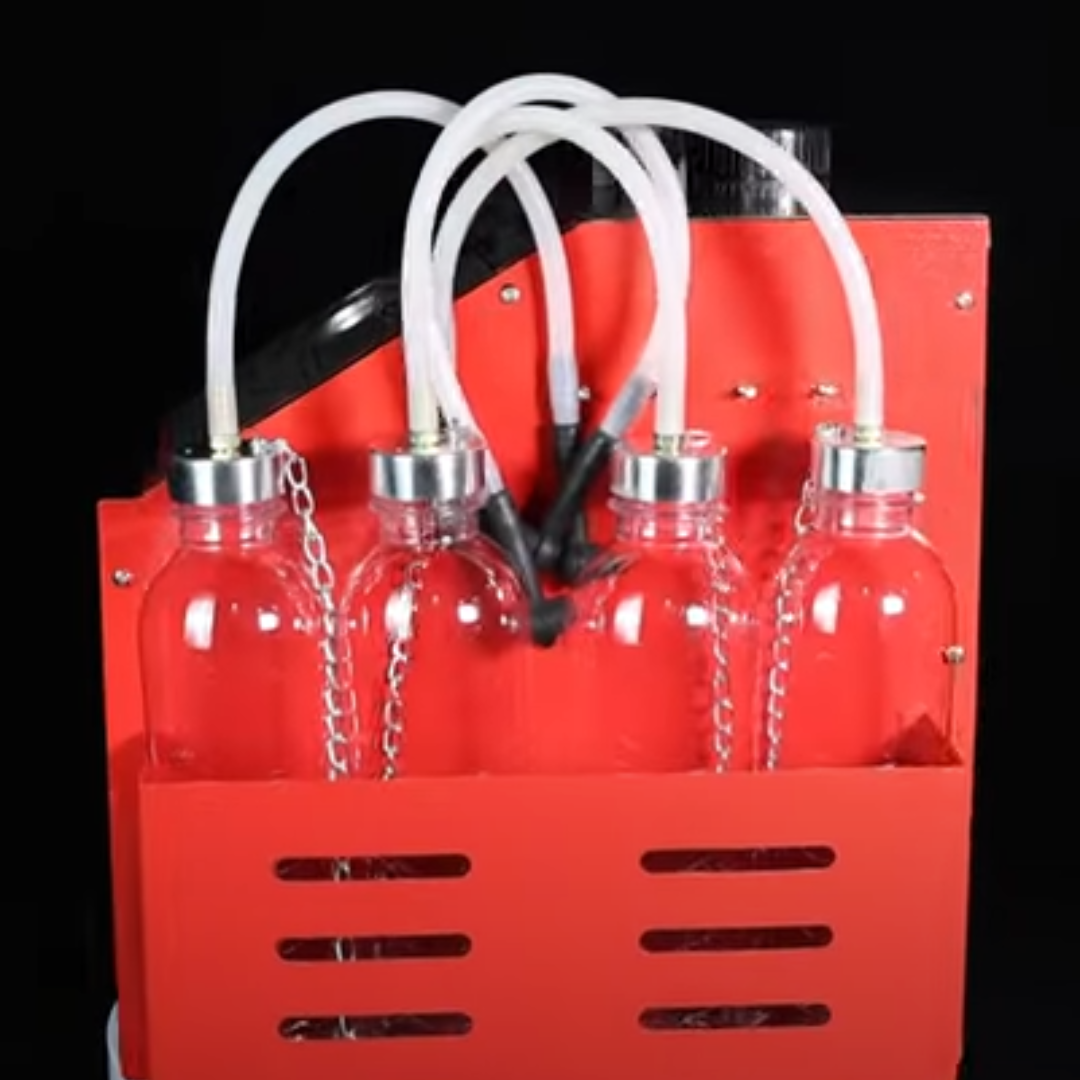
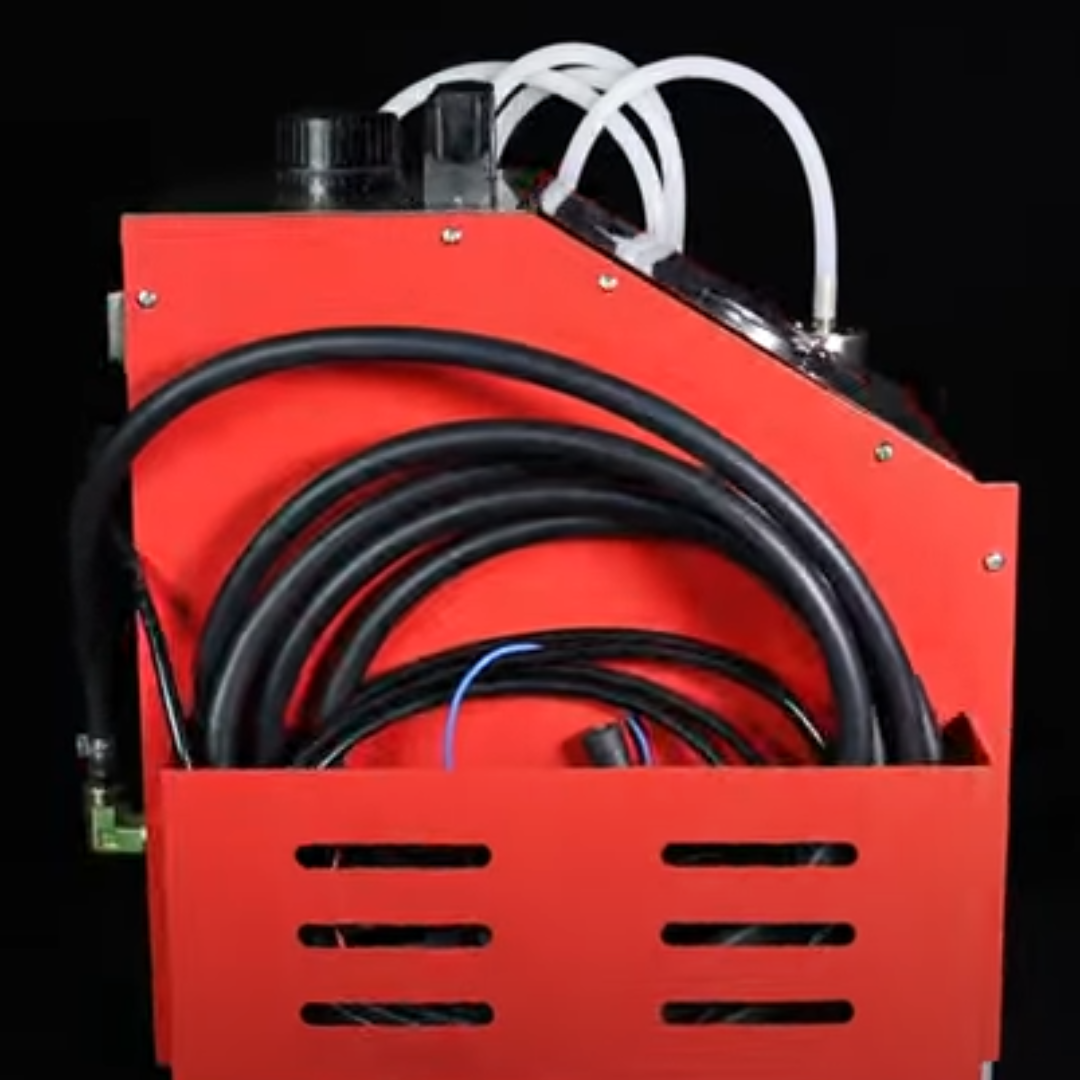
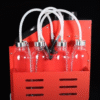
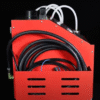
Description
Benefits of Using an Automotive Brake Fluid Bleeder
- Efficiency and Speed: Compared to manual methods, an automotive brake bleeder dramatically speeds up the process. With pressure control and automated flow, technicians can complete a full brake fluid change in just a few minutes.
- One-Person Operation: The traditional method requires two people to operate. However, with the use of the brake fluid bleeder, a single technician can independently complete the entire process, thus saving time and manpower.
- Cleaner, Safer Work: By using sealed systems and connectors, the fluid bleeder reduces spills and harmful fluid exposure, protecting both the operator and the environment.
- Precise Pressure Control: Most modern automotive brake fluid bleeders come with adjustable pressure regulators to match the requirements of different vehicles, ensuring a thorough and consistent bleed every time.
How Does an Automotive Brake Fluid Bleeder Work?
The basic working principle of a Brake Fluid Bleeder is to flush out old fluid while drawing in new fluid, without allowing air to enter the brake system. Here’s how it typically works:
- Connect the Bleeder to the Brake Fluid Reservoir: The bleeder tool is connected to the master cylinder or reservoir cap.
- Pressurize or Activate the System: The electric brake bleeders offer automatic, continuous pressure.
- Open the Bleeder Valves at Each Wheel: Starting from the wheel furthest from the master cylinder, technicians open bleeder screws to release old fluid and air bubbles.
- Refill with New Brake Fluid Automatically: This system injects fresh fluid while pushing out the old fluid, and throughout the process, no air will be allowed to enter.
- Close Bleeder Valves and Check Pedal Feel: Once done, the brake pedal should feel firm, and the braking system fully restored.
Precautions When Using an Automotive Brake Fluid Bleeder
To ensure safe and effective operation of an Automotive Brake Fluid Bleeder, it’s important to follow these key steps and safety tips:
1. Initial Setup
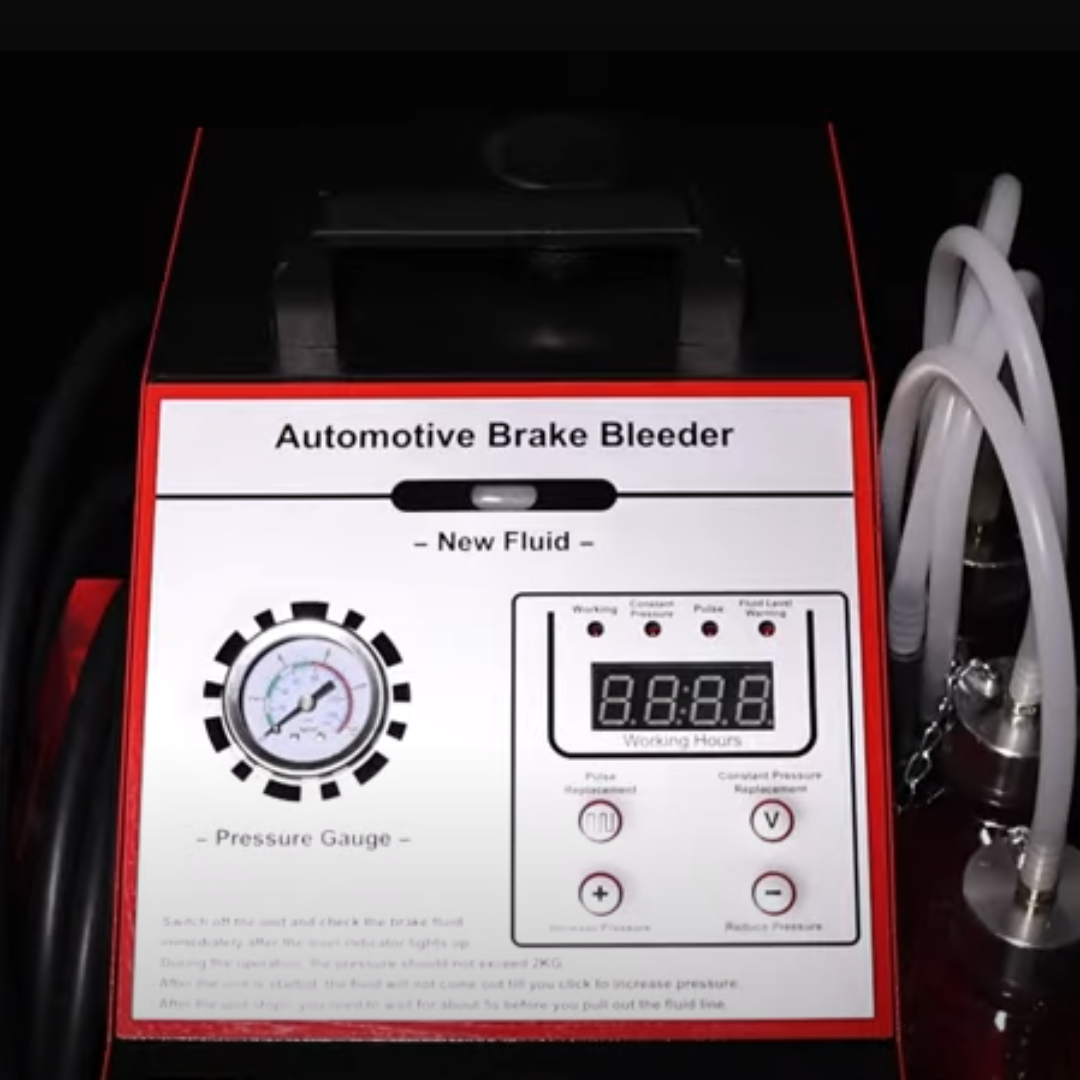
Before starting the fluid replacement, power on the device, fill it with fresh brake fluid, and select either “Constant Pressure Mode” or “Pulse Mode”. Then press the “Increase Pressure” button to begin the operation.
2. Choose the Correct Replacement Mode
- Use Constant Pressure Mode for traditional vehicles, especially older models.
- Use Pulse Pressure Mode for modern vehicles where the brake master cylinder and ABS system are integrated, such as in many electric vehicles (EVs) and hybrids.
3. Final Step: Tighten Bleeder Screws in Correct Order
After completing the fluid exchange, always tighten the bleeder screws from the front wheels to the rear wheels. This ensures proper sealing and prevents air from re-entering the system.
SPECIFICATION:
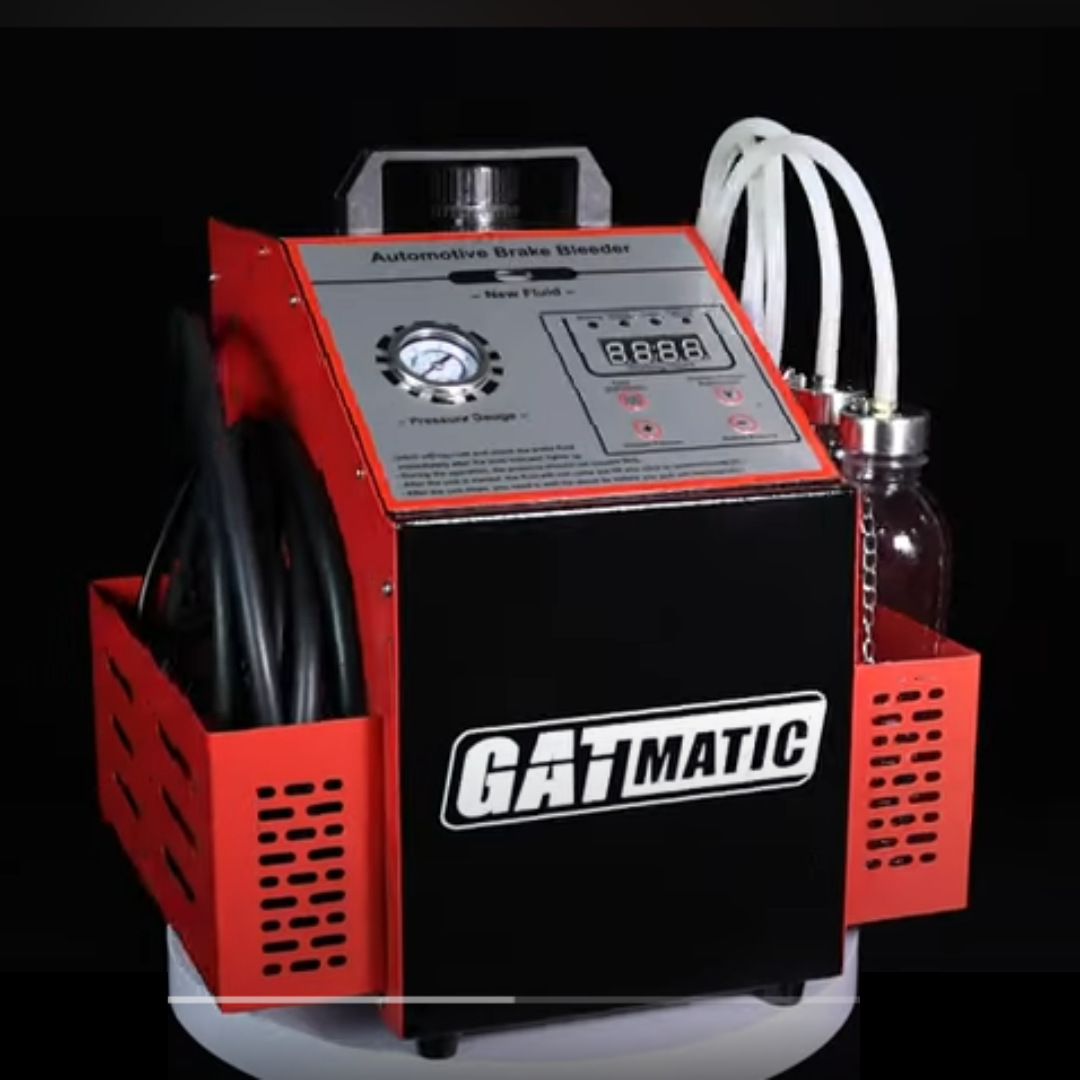
Positive pressure, fully electric
- Power supply: DC 12V or 110V or 220V
- Host size: 360x370x390mm
- Working pressure: 0-5 bar
- Maximum output flow: 1.5L/m
- Fuel tank volume: 2.5L
- Tube length: 4m


